

Modern Pumpkin Cultivation with Agrimpex Biodegradable Mulch Film
Pumpkin is a versatile crop with a wide range of applications. It is widely used in the food industry as an ingredient in numerous dishes and is also popular for seasonal decorations. As a crop with high heat and moisture requirements, pumpkin cultivation demands carefully prepared soil conditions to ensure healthy plant growth and high yields.
One of the key challenges during the early stages of cultivation is weed competition, which reduces the availability of water and nutrients. This is where Agrimpex biodegradable mulch film provides an effective and sustainable solution.
Agrimpex Biodegradable Mulch Film in Practice – 2025 Season Experience
During the 2025 growing season, Agrimpex biodegradable mulch film was successfully used on numerous vegetable and fruit farms, including the farms of Karolina and Artur Sowińscy (described in a separate case study) and Agata and Mariusz Francuz, where modern pumpkin cultivation was carried out.
The mulch film was installed using the Agrimpex laying machine, ensuring precise placement and efficient field preparation.
The black biodegradable mulch film created favourable growing conditions by preventing sunlight from reaching the soil surface, effectively suppressing weed growth while helping retain soil moisture and stabilise soil temperature. These benefits are particularly important for crops with high heat and water requirements, such as pumpkins.
As a result, the plants established more quickly, developed stronger root systems, and produced healthy, high-quality yields.


Biodegradation Under Field Conditions
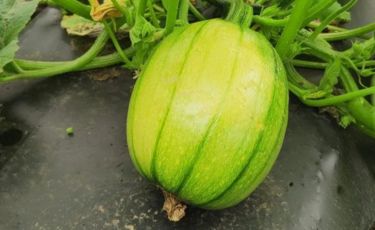
Throughout the growing season, the biodegradable mulch film gradually decomposed under natural field conditions. In pumpkin varieties producing large amounts of leaves and vines, the material remained visible for a longer period due to reduced exposure to environmental factors. However, by the end of the season, film residues had become difficult to find across most of the field.


What Should Be Done with the Remaining Film?
After harvest, the remaining film can simply be incorporated into the soil during standard tillage operations.
Once mixed into the soil, naturally occurring microorganisms continue the biodegradation process, converting the material into biomass, water, and carbon dioxide.
Since the film does not need to be collected manually after harvest, growers can significantly reduce labour costs and complete field operations more efficiently.